
Utah homeowners are sitting on a market that changed fast. Over the last decade, Utah home prices increased 109.3%, and since 2016, U.S. home values rose more than 81% while wages grew 47%, which helps explain why every upgrade decision carries more weight than it used to, according to Construction Coverage's housing analysis. When equity grows this much, random remodeling gets expensive. Strategic remodeling compounds.
From the exterior side of the business, that changes how I look at every project. A roof replacement isn't just maintenance. New siding isn't just a cosmetic choice. In Utah's climate, the right exterior upgrade can improve weather protection, reduce heat gain, tighten up drafts, and make the house show better the day it hits the market.
That's why I don't treat home value increase as a decorating exercise. I treat it as a sequence. Start by finding the baseline value. Fix anything that drags that value down. Then put money into exterior and energy-efficiency work that buyers in Utah notice and appraisers can support. If you're also comparing interior updates, this Long Island homeowners' flooring guide is a useful companion because it frames resale decisions the same way smart exterior planning should. By impact, not impulse.
Why Strategic Home Upgrades Matter Now More Than Ever
A lot of homeowners still think about remodeling the old way. They ask, “What would make the house nicer?” That's not the right first question in this market. The better question is, “What will protect and grow the value I already have?”
In Utah, buyers pay close attention to durability. They notice faded siding, worn roofing, old windows, and neglected trim quickly because those issues don't just suggest age. They suggest future cost. In a place with strong sun, temperature swings, wind exposure, and winter weather, buyers read exterior condition as a forecast of what they'll have to deal with next.
What value-minded owners do differently
The highest-return projects usually share three traits:
- They solve a visible problem: A stained roof, damaged siding panel, or drafty window creates doubt before a buyer ever walks inside.
- They improve performance: Energy efficiency, weather resistance, and lower maintenance all matter more in Utah than generic upgrade lists usually admit.
- They fit the house and the neighborhood: An upgrade should make the home more competitive, not strangely overbuilt for its block.
Practical rule: The best home value increase usually comes from making a house feel better maintained, more efficient, and less risky to buy.
That's why exterior work often beats trend-driven spending. Fancy finishes can date quickly. A roof that looks sharp and sheds weather properly doesn't. Windows that cut drafts and improve comfort don't go out of style. Siding that holds color and resists wear keeps working long after a decorative feature loses its appeal.
Pinpoint Your Home's True Value Before You Begin
Start with present value, not the improvement list. Owners who skip that step usually spend in the wrong places, then wonder why the resale bump falls short.
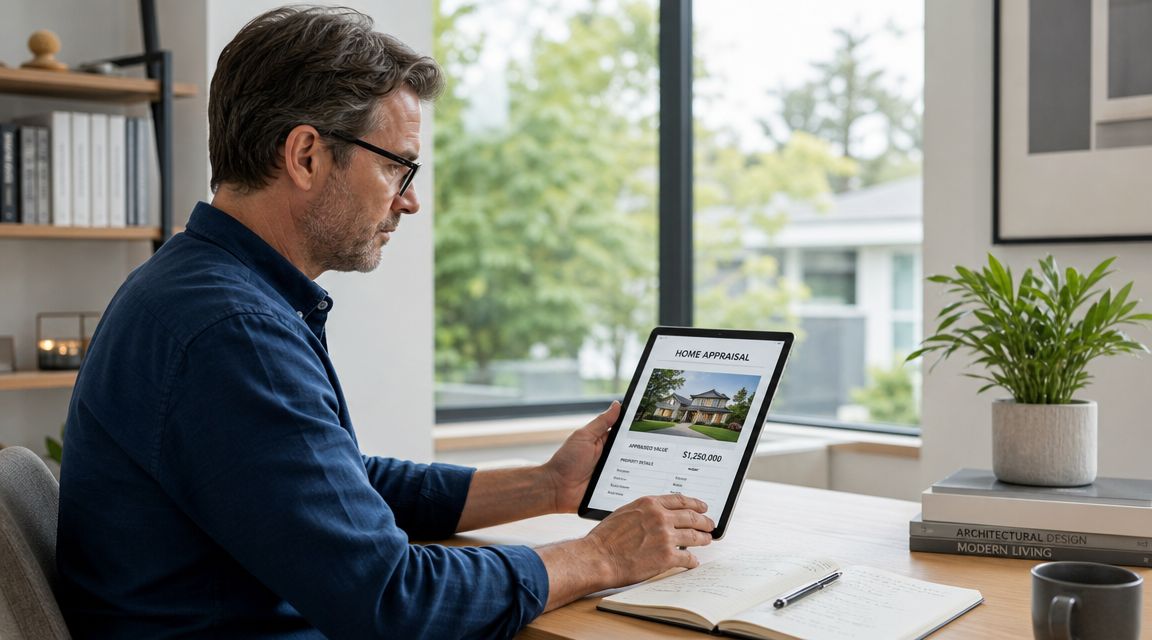
For most Utah homeowners, the best starting point is a market-based estimate grounded in recent comparable sales. The Appraisal Institute explains that the sales comparison approach values a property by comparing it with similar homes that have sold recently, then adjusting for differences in features, condition, and location, as outlined in its overview of the sales comparison approach. That matters because an older roof, sun-beaten siding, or drafty windows can change how your home stacks up against nearby listings long before a buyer studies finishes inside.
Where owners usually get it wrong
The common mistake is treating upgrade money like decoration money.
I see owners focus on wish-list items while obvious exterior problems keep pulling value down. A buyer in Utah notices heat-worn caulk lines, brittle trim, failed window seals, and roof wear fast. In this climate, those details signal future expense, not just age. If the outside suggests deferred maintenance, buyers assume the rest of the house may carry the same pattern.
That is why pricing your house from memory, pride, or the neighbor's asking price usually leads to bad decisions. A better approach is to compare your home to recent nearby sales, then look hard at the condition differences that would stand out during a showing or inspection. For a useful outside perspective before you commit money, these top ROI home improvement tips can help frame which projects tend to return value and which ones mainly satisfy personal taste.
A practical self-check before you spend
Walk the property like a buyer who has other options.
- Start at the roofline: Look for missing shingles, exposed fasteners, lifted flashing, soft decking, and staining on soffit or fascia.
- Move to siding and trim: Check for cracking, impact damage, swelling, open seams, peeling paint, and gaps where water can work in.
- Check windows and doors: Note failed seals, condensation between panes, hard operation, worn weatherstripping, and visible frame deterioration.
- Look at drainage: Poor runoff, splashback, and settled hardscape can shorten the life of siding, trim, and foundation finishes.
- Write down what a buyer would infer: Small visible defects often create bigger doubts about maintenance behind the walls.
A pre-listing inspection is often money well spent because it helps you sort true value issues from cosmetic distractions.
Use renovation dollars in the right order
The order matters. If the house has unresolved condition issues, cosmetic updates rarely deliver the value owners expect.
Use your budget in this sequence:
- Fix defects that reduce buyer confidence
- Address exterior components that affect weather protection and efficiency
- Spend on appearance upgrades after the house reads as well-maintained
That sequence is especially important in Utah, where sun exposure, snow, wind, and freeze-thaw cycles punish neglected exteriors faster than many national articles account for. Buyers do not pay a premium for pretty finishes wrapped around avoidable exterior problems. They pay more for a house that looks cared for, performs well, and does not feel like a deferred-maintenance project.
Focus on High-ROI Exterior and Energy Upgrades
If you want the strongest blend of resale value, day-to-day comfort, and climate fit, stay focused on the exterior shell. In Utah, that means roofing, siding, and windows. These aren't glamorous in the showroom sense. They are effective where it counts.
According to Remodeling Magazine's 2026 Cost vs. Value Report, exterior replacement projects in the Mountain region, which includes Utah, consistently recoup over 85% of their cost at resale, and fiber cement siding reaches 92.1%. That lines up with what contractors and agents both see on the ground. Buyers respond to projects that reduce obvious future maintenance.
Exterior Upgrade ROI Comparison
| Project | Average Cost | Resale Value Increase | ROI |
|---|---|---|---|
| Roofing replacement | Not specified in the verified data | Not specified in the verified data | Over 85% in the Mountain region |
| Window replacement | Not specified in the verified data | Not specified in the verified data | Over 85% in the Mountain region |
| Fiber cement siding replacement | Not specified in the verified data | Not specified in the verified data | 92.1% in the Mountain region |
Roofing that protects value instead of just patching leaks
A roof replacement does two jobs. It fixes a liability, and it resets buyer perception. In Utah, roofing also has to deal with sun exposure, wind, storm cycles, and seasonal temperature swings. If the roof looks near the end of its life, buyers don't only think about shingles. They think about insurance, interior leaks, attic problems, and surprise costs after closing.
That's why patch-heavy roofs often perform poorly in resale conversations. A buyer sees uncertainty. A full replacement, by contrast, gives the house a cleaner inspection story and a more credible maintenance history.
When comparing options, ask practical questions:
- How will this roofing system handle high wind exposure?
- Will the color and profile improve curb appeal without clashing with the neighborhood?
- What warranty and installation standards come with it?
Siding that earns its keep in Utah weather
Fiber cement has become a serious value play for a reason. It presents well, handles Utah's weather better than a lot of homeowners expect, and gives buyers confidence that the exterior envelope was upgraded with longevity in mind. Since it leads the regional resale ranking in the verified data, it deserves a hard look from owners who want one project to improve both appearance and perceived durability.
Vinyl and composite products also have their place, especially where maintenance concerns and budget shape the decision. The key is matching the product to the exposure. South- and west-facing walls take abuse. Entry elevations carry the most visual weight. Trim details matter more than many people realize because poor finishing can make good siding look cheap.
Field note: Siding creates value when the install details are tight. Straight lines, clean corners, proper flashing, and thoughtful color contrast matter just as much as the panel itself.
Windows that improve comfort and marketability
Window replacement works best when the existing units are clearly underperforming. In Utah, that usually shows up as winter drafts, hot rooms in summer, faded interiors from sun exposure, or frames that look tired from the street.
Buyers may not know the technical specs, but they notice the result. A quieter room, better temperature balance, smoother operation, and a sharper exterior profile all support value. If you're comparing project lists, this roundup of top ROI home improvement tips is worth reviewing alongside exterior bids because it reinforces the same pattern. Projects that reduce maintenance and improve function usually age better than trend-driven upgrades.
One Utah-specific decision point is whether the window package matches the rest of the exterior. New windows dropped into a visibly worn facade don't produce the same lift as a coordinated envelope plan. If budget allows only one major step, choose the component that removes the biggest buyer objection first.
For homeowners looking at product categories, Superior Home Improvement is one Utah-based option that installs energy-efficient windows, roofing, and siding designed for local weather conditions.
Maximize Curb Appeal with Smart, Quick Wins
Small exterior improvements can change how a house is judged in the first few seconds. That's not theory. It happens every time a buyer pulls up and starts forming opinions before they even reach the front walk.
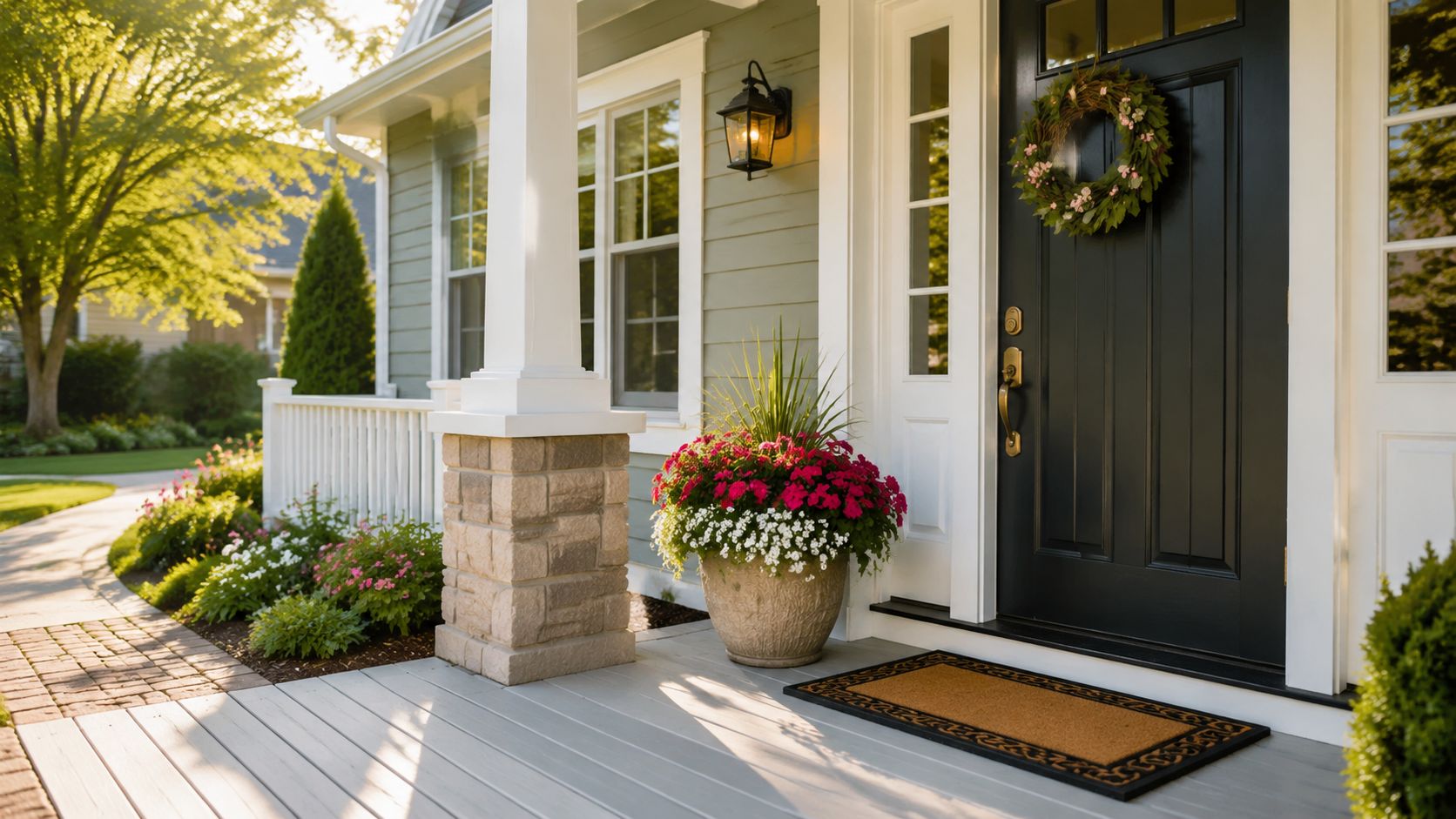
A front door repaint, updated hardware, a cleaner porch light, and fresh trim touch-up can make an older home feel maintained again. A neglected entry does the opposite. It tells buyers to brace for deferred maintenance inside.
The weekend projects that change perception
Here are the quick wins I'd prioritize first:
- Refresh the entry: A well-chosen front door color, solid hardware, and a light fixture that fits the style of the home can sharpen the entire facade.
- Clean the lines: Pressure washing, gutter cleaning, and removing dead plant material make the house feel cared for without changing any major component.
- Define the walkway: Edged beds, tidy mulch, and a clear path to the door help the property read as organized.
- Correct visual clutter: Crooked house numbers, mismatched fixtures, bent screens, and faded shutters cheapen the look.
HouseCanary notes that less obvious site features such as view angle, frontage length, backyard exposure to neighbors, and backyard slope can influence value, and that their impact varies widely by market, which is why local context matters so much in curb appeal decisions, as explained in its review of hidden factors that influence home value.
That matters in Utah neighborhoods where two houses with similar square footage can present very differently based on privacy, how the lot opens up, or whether the backyard feels usable.
Think like a buyer standing in the yard
Don't just ask whether the landscaping looks nice. Ask whether the lot feels comfortable and functional.
If a backyard feels exposed to neighbors, owners should focus on screening, layered planting, and fence repairs before they spend on decorative extras.
Privacy improvements, cleanup around retaining areas, and attention to slope drainage can all improve how the property feels. Those aren't flashy upgrades, but they help buyers imagine living there. For additional listing-focused ideas, this guide on boosting real estate listing value offers useful front-yard presentation tips that align well with curb appeal work.
This video is also a helpful visual reference for evaluating exterior presentation choices before listing or remodeling:
Plan Your Project Budget, Timeline, and Contractor
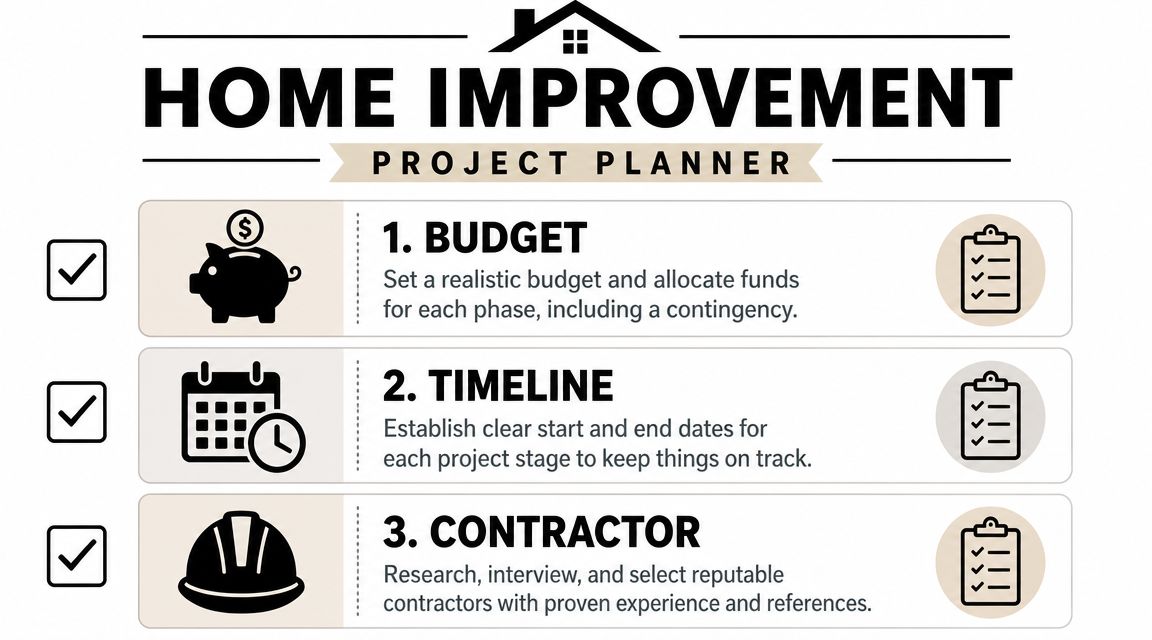
Budget mistakes ruin more value than bad material choices. I see it when owners spend freely on finishes, then cut corners on flashing details, trim repair, or installation time to stay under a number that was unrealistic from the start.
Build the budget around priorities, not wish lists
Set the budget in the same order a buyer or inspector will judge the house. Start with defects that can scare people off, then fund the upgrades that improve performance and appearance in Utah's climate.
Break the work into three buckets:
- Must-do work: Active leaks, failing roofing, damaged siding, rotten trim, unsafe stairs, drainage problems, and other deferred maintenance.
- Value-building work: New windows, exterior doors, siding replacement, roof replacement, soffit and fascia repairs, and other visible exterior upgrades that improve efficiency and trust.
- Optional polish: Decorative lighting, upgraded house numbers, planter beds, and other finish items that help presentation but do not fix underlying problems.
Leave room for unknowns. Exterior tear-off work often exposes water damage around window openings, chimney transitions, deck attachments, or old wall penetrations. In Utah, freeze-thaw cycles and intense sun tend to make those hidden failures worse than they look from the ground.
Set timelines with real-world buffers
Homeowners often hear a crew will be on site for three days and assume the whole project takes three days. The actual schedule includes measuring, ordering, permits when needed, delivery, staging, installation, inspections, and punch-list work.
Weather matters more than many owners expect. Spring wind, summer heat, and winter cold can all affect exterior scheduling, especially for roofing, paint, sealants, and concrete work. Product lead times can also shift depending on color, glass package, or manufacturer backlog.
Ask every contractor these questions in writing:
- When will materials be ordered?
- What could delay the start date or completion date?
- Will the same crew stay on my project from start to finish?
- Who updates me if the schedule changes?
- What items are included in final completion and cleanup?
A realistic timeline protects quality. Crews that are rushed tend to miss prep work, skip small repairs, or leave details unresolved until they become callback issues.
Vet the contractor like the project depends on it
It does. A good product installed poorly can erase the return you expected.
Look for a contractor who can explain the job clearly before work starts:
- Scope details: What is included, what is excluded, and what conditions could change the price after old materials come off.
- Installation standards: Flashing methods, weatherproofing steps, trim treatment, ventilation details, and cleanup procedures.
- Documentation: Written proposal, product specs, payment schedule, warranty information, and change-order terms.
- Local experience: Similar exterior projects completed in Utah, with an understanding of snow load, sun exposure, wind, and temperature swings.
One planning question comes up a lot. Property taxes. Many homeowners assume any improvement will cause a sharp jump in ongoing costs, but tax changes depend on local assessment practices and the scale of the work. The Tax Foundation explains that property tax bills are driven by assessed value and local tax rates, which is why the effect can vary widely from one market to another, as outlined in its overview of how property taxes work.
That concern is real, but it should be weighed against the upside of well-scoped exterior work. Better roofing, siding, windows, and drainage can reduce maintenance risk, improve comfort, and make the home easier to sell without price concessions.
Turning Your House into a More Valuable Home
The strongest home value increase rarely comes from one dramatic project. It usually comes from disciplined choices made in the right order. First, get honest about the home's current condition. Then remove the defects that weaken value. After that, put money into exterior improvements that hold up in Utah's climate and make the property easier for buyers to trust.
That's why roofing, siding, windows, and curb appeal work matter so much. They don't just make a house look better. They reduce doubt. They improve comfort. They signal that the home has been maintained with intention instead of patched together over time.
If you're deciding where to spend first, don't chase trends. Walk the property, identify what a buyer would question, and start there. The owners who gain the most are usually the ones who make fewer decisions, but better ones.
If you want project-specific advice on windows, roofing, or siding for Utah conditions, Superior Home Improvement offers consultations that can help you prioritize the exterior upgrades most likely to improve comfort, appearance, and long-term value.