
The most attractive renovation isn't automatically the best rental investment. A new kitchen can photograph well, but a failing roof, poor drainage, drafty envelope, or recurring water problem can consume more cash and create more tenant disruption than a dated finish ever will.
Use a priority system, not a wish list. Protect the building first, then reduce operating costs, then improve comfort, security, and visual appeal. The ten rental property upgrades below are ranked by practical impact and grouped from major capital work to targeted improvements. Each section connects the decision to Utah conditions, including snow, hail, wind, heat, water stress, and sharp seasonal temperature changes.
You'll find supplied market evidence where it applies, along with project timelines, landlord considerations, tenant value, and payback logic. Treat every cost, energy estimate, insurance outcome, rent premium, permit requirement, and warranty as a property-specific question. Have contractors verify the existing assembly, local code, utility setup, ownership structure, and jurisdiction before you approve work.
1. Energy-Efficient Triple-Pane Windows
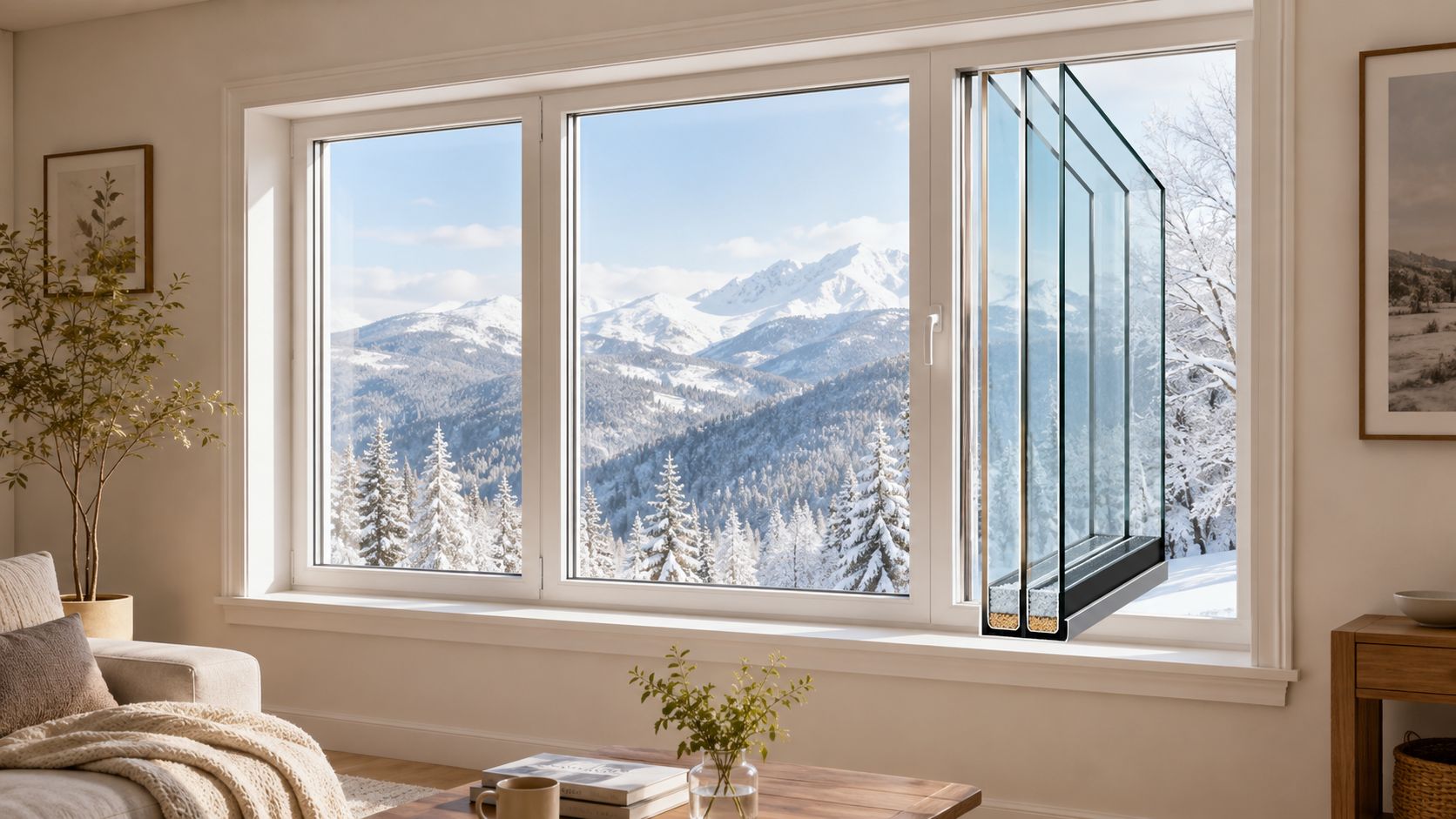
Triple-pane windows can be a strong long-term upgrade when a rental property has drafts, uncomfortable rooms, failing seals, exterior noise, or high heating and cooling demand. Three glass layers with insulated spaces reduce heat transfer and can improve acoustic comfort, which matters in Salt Lake City properties exposed to traffic, neighboring units, or wind.
This project belongs near the top of the list when the existing windows are near the end of their useful life. Replacing functional windows only for appearance usually deserves a lower priority. Utah's winter freezes, summer heat, intense sun, and rapid temperature swings make installation quality as important as the glass specification.
Where the investment makes sense
A multi-city U.S. analysis found energy-efficient features in residential rental housing had adoption rates from 5.3% to 21.6%, while associated rent premiums ranged from 6% to 14.1% in the cities studied. Those figures come from the U.S. Department of Energy research record, not a guarantee for every Utah building. Use them as market context, then compare competing rentals and verify whether your tenants pay utilities.
Prioritize windows on the most exposed elevations, especially south- and west-facing walls, only after a contractor confirms that orientation offers the best return for the building. Pair the installation with weatherstripping, properly flashed openings, and exterior shading where summer solar gain is a problem.
Landlord decision points
Request U-values, solar heat gain information, frame specifications, installation details, disposal costs, and warranty terms in writing. A window replacement can expose hidden framing damage, so the estimate should explain how the contractor will handle rot, water intrusion, uneven openings, and interior repairs.
Schedule the work during a vacancy or coordinate unit-by-unit access. Ask the contractor to document before-and-after conditions, because that record helps with future maintenance, tenant communication, and resale documentation.
2. High-Performance Metal Roofing
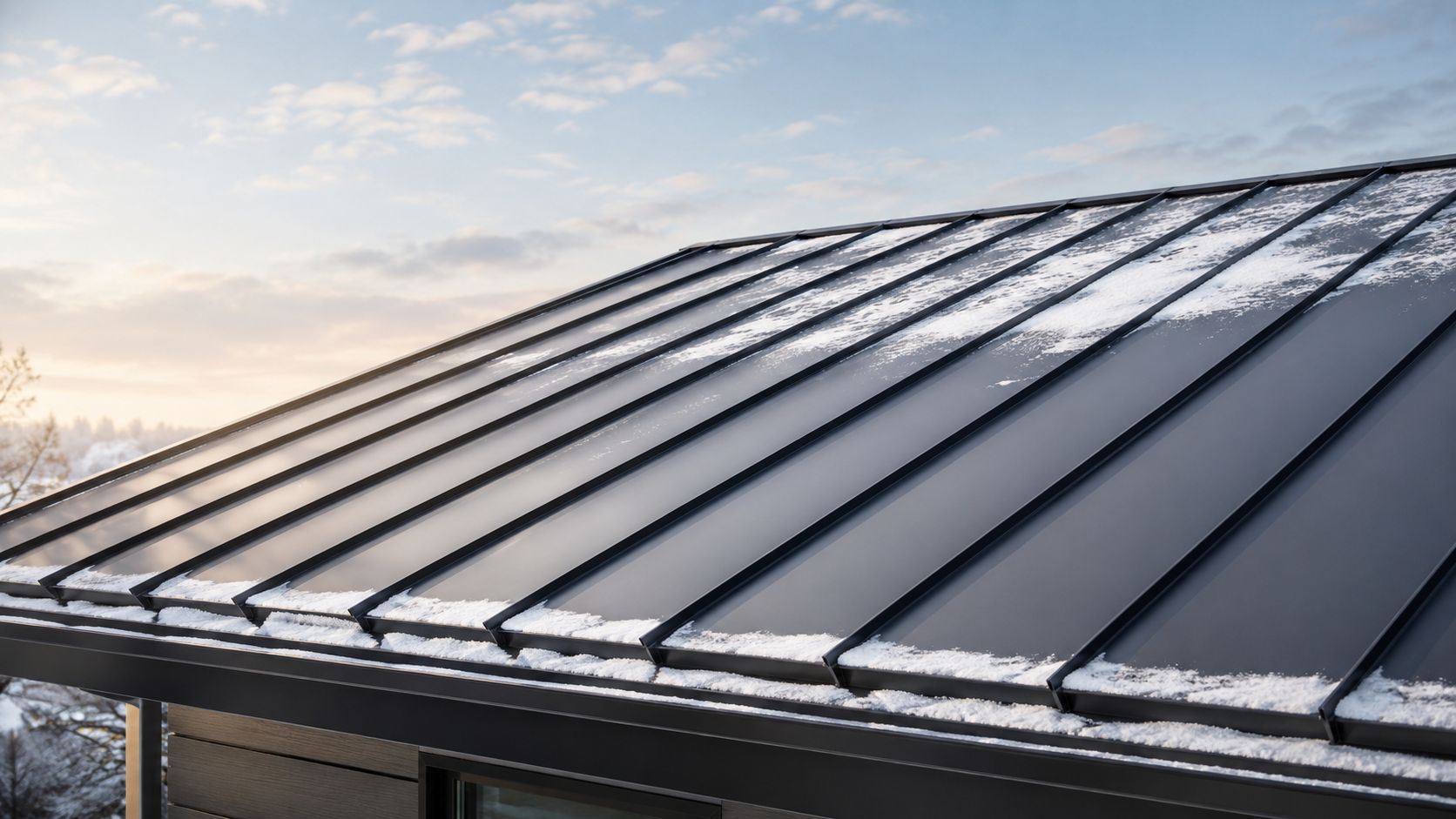
A roof protects every other rental property upgrade. If the roof leaks, new insulation, siding, windows, and interior finishes can all suffer damage. High-performance metal roofing deserves a high ranking for properties exposed to Utah snow, hail, wind, intense sun, and repeated freeze-thaw conditions.
Metal roofing may use steel, aluminum, or another approved system, with performance depending on the profile, coating, fasteners, underlayment, ventilation, flashing, and installation. A standing-seam system can provide a clean appearance, but aesthetics shouldn't determine the specification. Snow retention, valley detailing, penetrations, and drainage must match the building.
Match the roof to the site
Mountain rentals and properties in higher-elevation areas face different snow and access conditions from low-slope urban buildings. A contractor should evaluate snow movement, roof geometry, attic ventilation, ice formation, gutter loading, and emergency access before recommending a system.
Metal can also amplify rain or hail noise if the assembly lacks appropriate underlayment and insulation. Ask for a complete roof build-up, not just a material name.
Practical rule: Never compare a metal roof quote with an asphalt quote until both scopes include equivalent underlayment, flashing, ventilation, snow management, removal, disposal, and warranty coverage.
Protect the operating budget
A durable roof can reduce the frequency of disruptive replacement work, but the financial case depends on the installed price, remaining life of the current roof, maintenance history, insurance treatment, and ownership horizon. Confirm whether the insurer recognizes the selected impact or fire performance, and don't assume a premium reduction without written confirmation.
Bundle roof work with gutters, attic ventilation, and exterior penetrations when practical. That coordination can reduce repeat labor and prevents a new roof from discharging water into an inadequate drainage system.
3. Premium Fiber Cement and Composite Siding
Siding sits between tenant perception and building protection. A worn exterior can make a well-maintained rental look neglected, while failed joints, cracked panels, and poor flashing can allow moisture into walls. Fiber cement and composite systems offer durable alternatives when the current cladding has repeated impact, paint, moisture, or replacement problems.
This upgrade ranks below a failing roof but above purely decorative work when the exterior envelope needs attention. Utah hail and wind can test siding, while high summer exposure can fade or distort poorly selected materials. Proper clearances around roofs, windows, doors, decks, and ground level matter more than a fashionable color.
Use the siding project to find hidden problems
The contractor should inspect sheathing, housewrap, flashing, trim, penetrations, and drainage planes after removing damaged cladding. Ask how the proposal handles concealed deterioration. A low initial bid can become expensive if it excludes the conditions the project is most likely to uncover.
Fiber cement can preserve a traditional appearance on older Salt Lake City rentals, while composite profiles can suit modern multifamily buildings. Choose a finish that matches the target tenant market without creating a difficult maintenance program.
Coordinate exterior scopes
The best sequence usually places window and door flashing decisions before final siding installation. Roof edges, gutters, soffits, and exterior lighting may also need adjustment. Combining related work can minimize repeated mobilization, but don't let bundling hide the cost of each component.
Request product warranties, installation warranties, color limitations, repainting requirements, and transfer terms. Keep those documents with the property records. A future buyer, manager, or maintenance contractor needs to know exactly what was installed and how it should be serviced.
4. Smart Building Automation and Energy Monitoring Systems
Smart controls are useful only when they solve a management problem. A programmable thermostat, occupancy sensor, leak detector, or energy monitor can help a landlord identify abnormal consumption, manage common areas, and respond to equipment problems before a tenant reports them.
For multifamily rentals, centralized monitoring may provide more value than isolated smart devices. For a single-family rental, a reliable thermostat and leak sensors may be enough. Avoid installing a complex system that tenants can't operate or that requires a proprietary service contract after ownership changes.
Choose controls that support people
A tenant should understand the thermostat, heating schedule, alert settings, and privacy boundaries at move-in. Give residents control over reasonable comfort settings, and state clearly who receives alerts, who owns the account, and what happens when the tenancy ends.
Salt Lake City's heating season, summer cooling demand, sudden weather changes, and frozen-pipe risks make temperature and leak monitoring particularly relevant. The system won't replace inspections or emergency response. It should give the manager better information between visits.
A useful specification includes:
- Remote access: Confirm whether the manager can view equipment status without overriding tenant settings unnecessarily.
- Leak detection: Place sensors near water heaters, washing machines, mechanical rooms, and vulnerable supply lines.
- Data ownership: Require a clear process for transferring credentials and historical data to the property owner.
- Failure response: Establish who receives alerts and what action follows an offline device, low temperature, or water alarm.
Measure before promising savings
Install monitoring before a major efficiency project when possible. A baseline makes it easier to distinguish equipment improvement from weather variation, occupancy changes, or tenant behavior. Don't advertise a specific reduction unless the installed system and utility data support it.
Connected equipment also creates cybersecurity and privacy obligations. Limit access, update passwords, disclose cameras or sensors, and verify local rules before using any device that records or observes residents.
Smart controls become more useful after the envelope is addressed. See how the system works with insulation, windows, and heating operation before expanding it across multiple properties.
5. Upgraded Insulation and Air Sealing Systems
Insulation without air sealing leaves a rental with hidden pathways for heat, cold, dust, and moisture. A good contractor treats the attic, walls, basement, rim joists, penetrations, and duct interfaces as one system rather than adding material wherever it is easiest to reach.
This upgrade often delivers more tenant value than a visible finish because residents feel the result every day. Cold floors, uneven rooms, drafts near outlets, noisy walls, and rooms that never reach the thermostat setting are maintenance complaints with an efficiency component.
Start with diagnosis
Commission an energy assessment or blower-door testing before choosing spray foam, blown-in cellulose, fiberglass, or a combination. The contractor should identify leakage locations and explain ventilation requirements, combustion safety, moisture control, and access limitations.
Attic work can be a practical first step, but don't assume the attic is the only priority. Older Salt Lake City homes may have irregular additions, enclosed porches, unsealed penetrations, basement interfaces, or historic details that require careful treatment.
Don't bury a moisture problem under insulation. Repair roof leaks, plumbing leaks, and ventilation defects before closing cavities or filling assemblies.
Link comfort to operating economics
Harvard's Joint Center for Housing Studies reports that improvement and repair spending for owner-occupied and rental properties increased from $404 billion in 2019 to $611 billion in 2022, with spending expected to remain above $600 billion through 2025. The same rental-property improvement market report reports rental-stock spending rose from $76 billion to $99 billion, a 31% nominal increase and about 10% growth in real terms over that period.
Those figures describe market scale, not the return from one insulation project. Your decision should use the property's utility history, heating fuel, tenant-paid versus owner-paid bills, envelope condition, and remaining ownership horizon.
6. Durable UV-Resistant Patio Doors and Sliding Systems
A patio door combines several weak points in one opening. It must resist air leakage, water intrusion, forced entry, frame movement, glass damage, and intense solar exposure while remaining easy for tenants to operate. Replacing a sticking or leaking slider can solve a recurring complaint and improve a property's usable outdoor connection.
Utah's high-altitude sunlight makes UV protection relevant, especially in south- and west-facing rooms with wood floors, furnishings, and painted surfaces. Snow accumulation at thresholds and wind-driven precipitation also demand careful sill, flashing, drainage, and exterior grading details.
Buy performance, not just glass area
Specify weather-tight frames, durable rollers, multi-point locking where appropriate, low-maintenance finishes, and glass suited to the orientation. Exterior shade, awnings, or a pergola may protect the opening better than darker glass alone. Ask the contractor to explain how the selected door manages water at the sill and how replacement parts will be sourced.
A luxury apartment with a mountain view may gain more tenant appeal from a reliable, bright, easy-to-use door than from a decorative interior upgrade. A modest family rental may need security, durability, and low maintenance first.
Protect the opening during installation
Require temporary weather protection if the project spans a working day or longer. Confirm interior trim, flooring transitions, threshold height, screen condition, lock operation, and cleanup in the written scope. Test the door under operating conditions before final payment.
Don't promise a rent increase based on a door alone. Compare the property with nearby competing rentals, document the previous defect, and assess whether the improvement supports retention, fewer service calls, or stronger marketing.
7. Professional Storm and Wind-Resistant Roofing Systems
A storm-resistant roof is not always the same project as a full metal roof. Owners with a serviceable roof may choose reinforced attachment, impact-resistant shingles, improved flashing, or a roof assembly selected for local wind, hail, and snow conditions. The right answer depends on roof age, damage history, slope, remaining life, and insurance requirements.
Utah landlords should treat hail and wind as predictable operating risks, not unusual events. A roof that looks acceptable from the ground can still have loose materials, damaged flashing, exposed fasteners, or weak edges after a storm.
Demand documentation
Ask for the exact product rating, attachment method, underlayment, ventilation plan, flashing details, and installation warranty. Have the contractor explain whether the proposed system meets the requirements of the local building authority and whether the insurer recognizes its performance.
A post-storm inspection should cover valleys, penetrations, ridge caps, eaves, gutters, vents, and adjacent siding. Photograph conditions before and after work, and retain invoices and product records for insurance and warranty files.
Separate protection from marketing
Don't approve a roof based on an unsupported claim about avoided claims or premium savings. Insurance treatment varies by carrier and policy. A contractor can provide product documentation, but the landlord must obtain the insurer's written position.
British Columbia's public tenancy guidance illustrates why cost recovery requires local legal review. It explains that major repairs or improvements may support an additional rent increase only when the work is completed, qualifies as a capital expenditure, and meets specific timing and eligibility tests. The British Columbia rent-increase guidance isn't Utah law, but it highlights the broader point: confirm rent, notice, and recovery rules in the property's jurisdiction before assuming tenants can fund the project.
8. Water-Efficient Plumbing Fixtures and Greywater Systems
Water upgrades can produce practical value in Utah's arid environment, particularly when the landlord pays water or sewer charges. Low-flow faucets, showerheads, toilets, leak sensors, and submetering can reduce waste without changing the property's appearance. Greywater systems may support landscape irrigation, but they require far more design, permitting, maintenance, and tenant-use planning than a fixture swap.
Start with leaks and failing shutoffs. A water-efficient fixture installed on top of a hidden supply, drain, or water-heater problem won't solve the core risk. Coordinate with a licensed plumber who can evaluate pressure, drainage, venting, hot-water delivery, and compatibility with the existing system.
Use a property-specific water plan
Review bills, irrigation schedules, vacant-unit consumption, and maintenance records. If the property has landscaping, inspect whether downspouts, irrigation zones, and planting choices are wasting water before pursuing a complex reuse system.
Greywater may be inappropriate where space, soil, plumbing layout, local rules, or maintenance access create unacceptable complexity. Verify approval requirements with the relevant authority, and don't assume a system can be added without engineered separation and backflow protection.
Tenant communication matters. Explain how fixtures work, where shutoff valves are located, and how residents should report slow drains, running toilets, or leaks. If you need emergency plumbing support, keep a qualified provider such as fast water heater repair available, while confirming that the provider serves your property's location and system.
Protect against water damage
Pair fixture upgrades with leak detection in kitchens, laundry areas, bathrooms, and mechanical spaces. A small sensor can support early notification, but it can't replace a shutoff plan or timely response. Document every plumbing change, including parts, warranties, access panels, and future maintenance instructions.
9. Enhanced Exterior Lighting and Security Systems
Exterior lighting is a relatively targeted rental property upgrade with immediate tenant-facing value. It helps residents see steps, walks, parking areas, addresses, gates, and entries. LED fixtures with motion or scheduling controls can limit unnecessary operation, while cameras and access systems may improve oversight when installed lawfully and disclosed clearly.
Utah's winter darkness, snow glare, wind-blown debris, and seasonal landscaping changes affect placement. A fixture that works in summer can become obstructed by branches, snow, or a shifted camera angle in winter.
Design for visibility and privacy
Illuminate faces and walking routes without directing glare into bedrooms or neighboring properties. Use warm, comfortable light near residences and reserve stronger output for service areas or vulnerable access points. Keep cameras trained on entrances and common areas, not private interiors or spaces where residents reasonably expect privacy.
Provide tenants with written information about camera locations, recording practices, access control, and maintenance contacts. For multifamily properties, coordinate entry systems with lease administration and emergency access. An access platform such as multifamily apartment access control can be evaluated alongside the building's existing gates, doors, and management procedures.
Make maintenance part of the scope
Specify lens cleaning, battery replacement, software support, fixture access, and outage response. Avoid systems that depend on one employee's personal account. The property owner should control credentials and have a documented process for adding and removing authorized users.
Lighting and security can strengthen the rental experience, but don't describe them as a guarantee against crime or liability. They are risk-management tools that work best with sound locks, maintained landscaping, clear walkways, and responsive property management.
10. Premium Gutter Systems and Water Management Solutions
Gutters rank last in visual appeal and first in damage prevention. They direct roof runoff away from siding, foundations, crawlspaces, basement windows, walkways, and planted areas. In Utah, the combination of snow accumulation, spring melt, hail debris, and occasional heavy precipitation makes drainage a recurring building-protection issue.
An aluminum system may suit many rentals, but the right choice depends on roof geometry, snow exposure, fascia strength, leaf load, downspout capacity, and the discharge point. Copper can provide a distinctive finish, but material selection should follow a maintenance and budget decision, not an assumption that a premium appearance creates better rental performance.
Fix the whole water path
A contractor should inspect roof edges, valleys, fascia, downspouts, splash blocks, grading, foundation walls, window wells, and nearby hardscape. Extending a downspout across a walkway isn't a finished solution if it creates ice, erosion, or a trip hazard.
Use the project to correct conditions that repeatedly create tenant complaints, such as basement dampness, stained siding, overflowing corners, or water near entrances. If the foundation already shows intrusion, coordinate gutters with waterproofing and drainage work rather than treating them as separate cosmetic jobs.
Schedule seasonal verification
Inspect the system after installation and again after the first significant snow and melt cycle. Confirm that gutters remain attached, snow guards function as intended, downspouts stay clear, and discharge points still protect the structure. Leaf guards can reduce cleaning, but they don't eliminate inspections.
Keep photographs, product details, warranties, and maintenance dates in the property file. Gutter work often coordinates efficiently with roofing and siding, so include it in the same planning conversation even when the scopes remain separately priced.
Top 10 Rental Property Upgrades Comparison
| Upgrade | 🔄 Implementation Complexity | ⚡ Resource Requirements | 📊 Expected Outcomes | 💡 Ideal Use Cases | ⭐ Key Advantages |
|---|---|---|---|---|---|
| Energy-Efficient Triple-Pane Windows | Professional installation; moderate–high timeline; may need frame upgrades | High upfront cost; skilled glaziers; gas-filled units and Low‑E coatings | 20–40% heating/cooling reduction; noise reduction; higher rental value | Cold/variable climates, south/west exposures, multi-family rentals | Superior thermal & acoustic performance; low maintenance; strong tenant appeal |
| High-Performance Metal Roofing | Specialized installers; may require structural reinforcement; long lead times | High material & install cost; coated metal panels; underlayment & fasteners | 10–25% cooling reduction; 40–70 year lifespan; fewer replacements | Wind/snow-prone, mountain or long‑term investment properties | Exceptional longevity and weather resistance; recyclable; insurance benefits |
| Premium Fiber Cement & Composite Siding | Professional install; heavier materials; longer installation | Moderate–high cost; specialized tools; color/texture finishing | Reduced maintenance costs; 25–30 year warranties; improved curb appeal | High-turnover rentals, historic renovations, multi-family exteriors | Durable, low-maintenance, high-impact aesthetics; transferable warranties |
| Smart Building Automation & Energy Monitoring | Low–moderate complexity for integration; ongoing support/subscriptions | Moderate initial investment ($2k–5k); reliable Wi‑Fi, sensors, dashboards | 15–20% energy savings; faster fault detection; 3–5 year payback | Property managers, multi-unit portfolios, energy-focused buildings | Remote control, data-driven optimization, improved tenant comfort |
| Upgraded Insulation & Air Sealing Systems | Specialized contractors; possible temporary occupant relocation | Moderate cost ($1.5k–3.5k); spray foam, blown cellulose, blower-door testing | 25–40% utility reduction; fewer drafts; prolonged HVAC life | Older/historic buildings, attic/basement retrofits, drafty units | Large immediate energy savings; improved indoor comfort & air quality |
| Durable UV-Resistant Patio Doors & Sliding Systems | Moderate complexity; custom sizing increases lead time; professional sealing | Moderate cost ($1.5k–3k each); multi-point locks, Low‑E/argon glass | Energy performance comparable to premium windows; protects interiors; rent uplift potential | Units with patios/balconies, luxury rentals, south/west exposures | Enhanced security, UV protection, attractive outdoor living appeal |
| Professional Storm & Wind-Resistant Roofing Systems | High complexity; certified installers and fastening patterns required | Premium materials & labor ($6–9/ft²); impact-rated shingles & enhanced underlayment | Reduced storm claims; potential insurance discounts; extended roof life | Wind/hail-prone and high-altitude properties in Utah | Superior storm resilience; lower claim risk; improved durability |
| Water-Efficient Plumbing Fixtures & Greywater Systems | Low–moderate complexity; greywater needs permits and filtration | Low–moderate cost; WaterSense fixtures, greywater filters, licensed plumber | 25–50% water savings; 2–3 year payback; lower sewer fees | Arid climates, irrigated landscapes, eco-conscious tenant markets | Fast payback; significant water savings; appeals to sustainability-minded renters |
| Enhanced Exterior Lighting & Security Systems | Low–moderate complexity; electrical and network integration; privacy considerations | Moderate cost ($2k–5k); LED fixtures, cameras, cloud subscriptions | LED energy savings; improved safety perception; indirect ROI via retention | Multi-family complexes, parking/common areas, high-crime concerns | Energy-efficient illumination, deterrence, remote monitoring capability |
| Premium Gutter Systems & Water Management Solutions | Moderate complexity; site-specific drainage planning; possible underground work | Moderate cost ($1.5k–3k); seamless gutters, leaf guards, reinforced hangers | Prevents foundation damage; reduces maintenance; 3–5 year ROI | Properties with basements, heavy snowmelt, poor site drainage | Foundation protection, low maintenance, effective water diversion |
Turn the Roundup Into a Property Upgrade Plan
Start with a property condition file, not a contractor catalog. Record current utility bills, owner-paid services, recurring maintenance calls, tenant complaints, water stains, drafts, uncomfortable rooms, roof observations, drainage failures, and the age of major exterior components. Add the remaining ownership horizon, planned refinancing or sale, occupancy constraints, available cash, and whether the property is single-family or multifamily.
Then rank each project against four tests:
- Urgent protection: Does the work stop active water intrusion, structural exposure, unsafe access, or preventable storm damage?
- Operating savings: Can you measure a likely improvement through owner-paid utility bills, service calls, water use, or maintenance records?
- Tenant value: Will residents feel the difference through comfort, security, usable space, appearance, noise control, or reliability?
- Coordination potential: Can the project share access, scaffolding, flashing, disposal, inspections, or mobilization with another upgrade?
The first approval should usually protect the envelope. That means addressing roof defects, drainage, failed window or door openings, moisture entry, and air leakage before spending heavily on finishes or connected technology. A smart thermostat can't compensate for a leaking roof, and premium siding shouldn't cover unresolved flashing or sheathing damage.
Energy retrofits can require serious capital planning. In Ireland's private rental sector, research estimated that bringing non-heritage rental housing toward higher energy performance would require €7 billion to €8 billion in aggregate capital, with average upgrade costs of about €43,000 for a G-rated property and just under €30,000 for a C-rated property. The Irish retrofit analysis concerns a different market and building stock, but it demonstrates why landlords shouldn't treat whole-building energy work as a minor maintenance line.
Request itemized estimates from qualified contractors. Each proposal should separate:
- Materials: Product names, grades, colors, quantities, and substitutions.
- Labor: Installation tasks, preparation, protection, cleanup, and testing.
- Permits: Permit responsibility, inspection stages, and excluded jurisdiction fees.
- Disposal: Tear-off, hauling, recycling, hazardous-material assumptions, and landfill charges.
- Warranties: Manufacturer coverage, installation coverage, exclusions, maintenance duties, and transfer terms.
- Timeline: Start conditions, estimated duration, weather delays, tenant access, and final inspection.
- Assumptions: Hidden damage, framing repairs, electrical work, plumbing changes, interior patching, and change-order rates.
Ask every contractor how the proposed assembly handles Utah wind, hail, snow, moisture, solar exposure, freeze-thaw conditions, and seasonal temperature changes. Require documentation for roof ratings, window performance, flashing details, siding installation, insulation depth, ventilation, and drainage. Confirm which claims are manufacturer-tested, which are contractor estimates, and which require your own utility or rental-market verification.
Superior Home Improvement is a relevant consultation option for Utah property owners considering energy-efficient windows and patio doors, insulation strategies, roofing, and siding. You can review its services at Superior Home Improvement, then ask the company to state exactly which products, warranties, timelines, and performance commitments apply to your building. Its published Energy Conservation Program includes a written guarantee of up to a 40% utility reduction, but that supplied claim must be evaluated against the specific property, baseline, contract terms, and exclusions before approval.
Screen contractors before comparing the lowest number. Verify licensing and insurance, request recent comparable project references, inspect completed work where possible, confirm who performs installation, and ask how the crew protects occupied units. Compare scopes line by line, not just totals. A cheaper bid that excludes flashing, disposal, permits, interior restoration, or warranty labor isn't cheaper.
Finish with a documented sequence. Address active leaks and drainage first, complete roof or exterior envelope work next, install windows and patio doors before final siding details, seal and insulate once moisture pathways are controlled, add plumbing and lighting improvements where they solve measured problems, and install smart monitoring after the systems being monitored are reliable. This order protects cash flow, limits repeat labor, and gives tenants a clearer explanation of what will happen and why.
Superior Home Improvement offers Utah landlords and property managers consultations for energy-efficient windows and patio doors, high-performance roofing, siding, and insulation strategies. Visit Superior Home Improvement to request an assessment, compare a documented scope, and plan rental property upgrades around Utah's weather and the building's actual needs.