
Utah's unique four-season climate, from blistering summer heat in St. George to frigid winter nights in Park City, puts constant stress on our homes and wallets. Rising utility costs make it more critical than ever to optimize your home's performance. Many homeowners assume high energy bills are an unavoidable reality, but what if you could guarantee a significant reduction? This comprehensive guide provides actionable home energy conservation tips specifically tailored for Utah residents, helping you transform your property into an efficient, comfortable, and cost-effective sanctuary.
We’ll move beyond generic advice and dive into practical, high-impact strategies that deliver measurable returns. This listicle is designed to be your go-to resource, whether you are a new homeowner in Salt Lake City or a long-time resident looking to upgrade. You will discover how to implement everything from quick DIY projects to major professional installations like triple-pane windows, insulated siding, and energy-efficient roofing. Each tip is detailed with specific implementation steps, potential energy savings, and crucial local considerations to maximize your return on investment.
This guide details exactly how to seal air leaks, optimize your attic, and leverage smart home technology. We will explore the tangible benefits of professional energy audits and high-performance HVAC systems. Whether your goal is to enhance daily comfort, increase your home's resale value, or achieve long-term financial savings, these proven strategies will provide a clear roadmap to creating a more efficient and resilient living space. Prepare to take control of your utility bills and unlock substantial savings.
1. Upgrade to Energy-Efficient Windows
Upgrading your home's windows is one of the most impactful home energy conservation tips for Utah homeowners, addressing significant heat loss in winter and heat gain in summer. Old, single-pane, or poorly sealed windows act as thermal holes in your home's envelope, forcing your HVAC system to work overtime. Modern, high-performance windows create a robust thermal barrier using advanced technology.
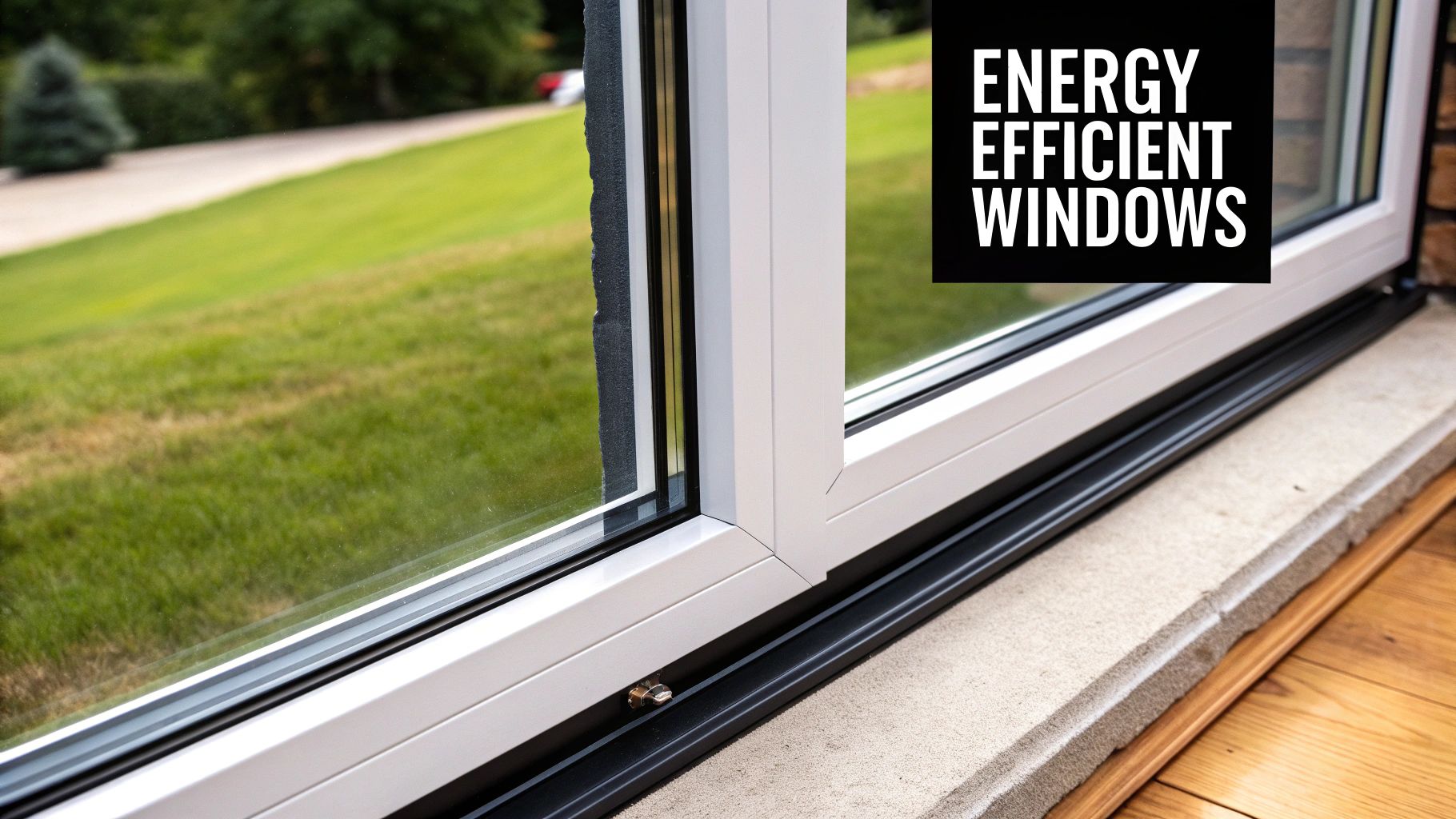
These windows typically feature multiple panes of glass (double or triple-pane) separated by an inert gas fill like argon or krypton, which is a much poorer conductor of heat than air. Combined with Low-E (low-emissivity) coatings that reflect infrared light, these units keep your home warmer in the winter and cooler in the summer, significantly improving comfort and reducing energy bills. For instance, many Salt Lake City homeowners report heating cost reductions of 25-30% after installing triple-pane windows.
Actionable Implementation Tips
To maximize your investment, consider a strategic approach to your window replacement project. Not all windows are created equal, and not all openings have the same requirements.
- Check NFRC Ratings: Look for the National Fenestration Rating Council (NFRC) label. For Utah's climate, a U-factor (which measures heat transfer) below 0.30 is highly recommended. The lower the U-factor, the better the window insulates.
- Climate-Specific Low-E Coatings: Choose a Low-E coating designed for a heating-dominated climate. This allows some of the sun's short-wave infrared energy to pass through for passive solar heating in winter while still blocking heat gain in the summer.
- Prioritize Problem Areas: If a full replacement isn't in the budget, start with the south and west-facing windows. These exposures receive the most intense sun, making them crucial for managing summer heat gain.
- Mix and Match: Consider using triple-pane windows on the cold, north-facing side of your home and high-performance double-pane windows elsewhere to balance budget and performance.
- Ensure Professional Installation: A high-performance window is only as good as its installation. Proper sealing and insulation around the frame are critical to prevent air leaks and achieve the advertised energy savings.
2. Improve Roof Energy Efficiency with Cool Roofing Materials
Your roof absorbs the full force of the sun, making it a critical component in your home's thermal performance. A standard dark-colored roof can reach temperatures over 150°F on a summer day, transferring that heat directly into your attic and living spaces. Implementing a cool roof is one of the most effective home energy conservation tips for mitigating this heat gain, directly lowering cooling costs and improving indoor comfort. Cool roofing materials are designed with high solar reflectance and thermal emittance to reflect sunlight away and efficiently release any absorbed heat.
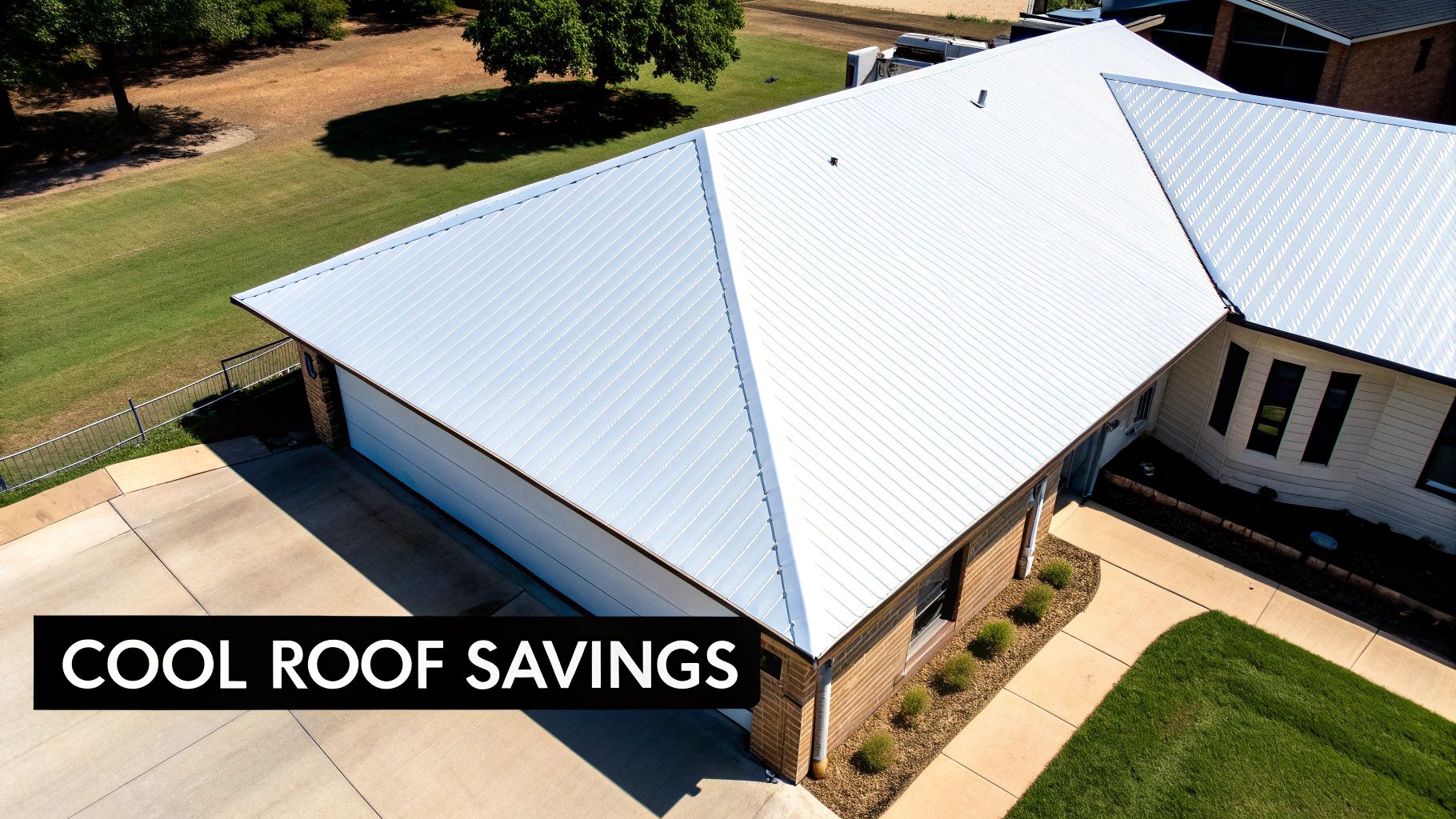
This technology isn't just for commercial buildings. Many homeowners in southwestern Utah's sun-drenched communities are maximizing these benefits, while even commercial properties in Salt Lake City have reported air conditioning cost reductions of 15-20% after switching. A cool roof reduces the strain on your A/C system, prolongs the life of the roofing material by minimizing thermal stress, and can even contribute to reducing the urban heat island effect. It is a strategic upgrade that pays dividends in both energy savings and long-term durability.
Actionable Implementation Tips
To get the most out of a cool roof installation, focus on material selection, proper system integration, and taking advantage of available incentives.
- Choose High-Reflectance Materials: Look for roofing products labeled by the Cool Roof Rating Council (CRRC) or that are ENERGY STAR certified. For maximum effect, choose light gray, white, or specially formulated "cool color" shingles and metal panels with reflective coatings.
- Pair with Attic Ventilation: A cool roof's effectiveness is amplified when combined with robust attic ventilation (soffit, ridge, and gable vents). This pairing creates a system that both blocks incoming heat and expels any that does enter the attic space.
- Consider Standing-Seam Metal: For Utah's climate, which includes heavy snow loads in mountain communities, a standing-seam metal roof with a factory-applied reflective coating offers exceptional durability, fire resistance, and long-term energy performance.
- Check for Local Incentives: Before starting your project, check with local utility providers like Rocky Mountain Power for potential rebates or financial incentives available for installing certified cool roofing products.
- Ensure Professional Installation: Proper installation is crucial for performance and longevity. An experienced contractor will ensure the underlayment, flashing, and ventilation are all correctly installed to prevent moisture issues and maximize energy efficiency.
3. Seal Air Leaks and Improve Weatherization
Addressing hidden gaps and cracks in your home's envelope is one of the most cost-effective home energy conservation tips available. Air leakage, or infiltration, allows conditioned air to escape and outside air to enter, creating drafts and forcing your HVAC system to run constantly. A comprehensive air sealing and weatherization strategy plugs these leaks, creating an airtight thermal barrier that significantly enhances comfort and reduces energy consumption.
By systematically sealing these gaps, you can stop this uncontrolled air exchange. This simple yet powerful step is foundational to energy efficiency, often recommended by EPA's ENERGY STAR program before more expensive upgrades like new windows or insulation. Many older Utah homes have seen winter heating bills drop by 15-20% after a thorough air sealing project, primarily by reducing the workload on their furnaces during cold nights.
Actionable Implementation Tips
To effectively tighten your home's envelope, you need to be systematic in identifying and sealing common problem areas. A targeted approach ensures you get the most impact for your effort and investment.
- Locate the Leaks: For a precise diagnosis, schedule a professional energy audit with a blower door test. For a DIY approach, use a lit incense stick on a windy day and hold it near common leak spots like window frames, door thresholds, and electrical outlets to see if the smoke trail is disturbed.
- Prioritize Sealing: Complete air sealing before adding insulation. Insulating a leaky attic or wall can lead to moisture problems as warm, moist indoor air condenses within the new insulation. Sealing first ensures the entire system works correctly.
- Use the Right Materials: Apply caulk to fill small, stationary gaps around window and door trim. Use weatherstripping for moving parts like the sash of a window or the edge of a door. For larger gaps around plumbing pipes or wiring, use expanding foam sealant.
- Don't Forget Penetrations: Pay close attention to where utilities enter your home in the basement or crawlspace. Seal gaps around plumbing, gas lines, and electrical conduits, as these are major sources of air infiltration.
- Maintain Healthy Ventilation: As you tighten your home, ensure you have adequate mechanical ventilation (like bath and kitchen fans) to manage indoor air quality and prevent moisture buildup.
4. Install High-Performance Siding with Insulation
Upgrading your home’s exterior cladding is another powerful strategy on our list of home energy conservation tips, moving beyond simple aesthetics to create a high-performance thermal blanket. Insulated siding combines traditional siding material with a rigid foam insulation backing, providing a continuous layer of insulation that drastically reduces thermal bridging. This is when heat escapes through the less-insulated wood studs in your walls, a common source of energy loss.
This integrated system not only improves your home's R-value but also enhances durability, offers sound-dampening qualities, and boosts curb appeal. For mountain properties near Park City or the Canyons, this added thermal performance is crucial for maintaining comfort during harsh winters. Renovations in Salt Lake City that combine insulated siding with new window installations often report total energy savings exceeding 30%, demonstrating the synergistic effect of a comprehensive exterior upgrade.
Actionable Implementation Tips
To get the most out of an insulated siding project, careful planning and professional execution are essential. The goal is to create an unbroken thermal and moisture barrier around your home.
- Combine with Air Sealing: Before the new siding is installed, have your contractor perform thorough air sealing around all penetrations like vents, pipes, and electrical outlets. This prevents air infiltration, which would otherwise undermine the siding's insulating effectiveness.
- Verify Proper Installation: Ensure your installation includes a properly integrated drainage plane and correct flashing around windows and doors. This is critical for managing moisture and preventing long-term structural damage, especially with Utah's freeze-thaw cycles.
- Choose Durable Materials: For Utah’s high-altitude sun and varied climate, consider durable materials like insulated fiber cement or composite siding. They offer superior resistance to impact, fire, and UV degradation compared to some standard vinyl options.
- Coordinate with Window Upgrades: If you plan to replace windows soon, it is highly advantageous to coordinate the siding and window projects. This allows for a seamless and perfectly sealed transition between the two systems, maximizing thermal performance.
- Prioritize Professional Installation: Unlike standard siding, insulated products require specific techniques to ensure the foam backing isn't compressed and the panels lock together perfectly. A certified installer guarantees the system will deliver its promised R-value and longevity.
5. Upgrade Attic Insulation and Ventilation
Addressing the top of your home is one of the most cost-effective home energy conservation tips available, as heat naturally rises and escapes through an under-insulated attic. In both Utah's frigid winters and hot summers, inadequate attic insulation and poor ventilation create a major energy drain. Upgrading these systems provides a thermal cap for your home, preventing conditioned air from escaping and stopping extreme outdoor temperatures from radiating inward.
A properly insulated and ventilated attic works as a complete system. Insulation with the recommended R-value (a measure of thermal resistance) slows heat transfer, while a balanced ventilation system removes moisture and heat buildup. Salt Lake City homeowners who upgrade from minimal insulation to an R-value of R-50 or higher often see heating and cooling cost reductions of around 20%. This upgrade also helps prevent common Utah problems like ice dams, which form when heat escaping the attic melts snow on the roof, causing water to refreeze at the eaves and damage your roof and gutters.
Actionable Implementation Tips
To get the most out of your attic upgrade, focus on creating a sealed, well-insulated, and properly ventilated space. A haphazard approach can trap moisture or leave significant thermal gaps.
- Determine Your R-Value Goal: For most of Utah, the U.S. Department of Energy recommends an attic R-value between R-49 and R-60. A professional energy audit can measure your current insulation depth and identify specific areas needing improvement.
- Air Seal Before Insulating: Before adding new insulation, it's critical to seal all air leaks. Use caulk or spray foam to close gaps around plumbing vents, electrical wiring, ductwork, and ceiling light fixtures to stop conditioned air from leaking into the attic.
- Choose the Right Material: Blown-in fiberglass or cellulose insulation is often the most cost-effective method for attics, as it fills gaps and covers joists easily. Batt insulation works well but requires careful cutting and fitting to avoid gaps.
- Don't Block Your Vents: When adding insulation, install baffles at the eaves to ensure your soffit vents are not blocked. This maintains a clear pathway for cool air to enter the attic and flow to the ridge vent, which is essential for proper ventilation.
- Insulate the Attic Access: Don't forget the attic hatch or pull-down stairs. This opening is a significant source of heat loss. Insulate it with rigid foam board or an insulated attic tent to complete the thermal barrier.
6. Install or Upgrade HVAC Systems and Maintain Them
Your heating, ventilation, and air conditioning (HVAC) system is the heart of your home's energy consumption, often accounting for over 50% of your utility bills. Upgrading an aging system and performing regular maintenance are fundamental home energy conservation tips that deliver significant savings and comfort. An old, inefficient furnace or air conditioner works much harder to maintain desired temperatures, consuming excess energy and providing inconsistent performance. Modern, high-efficiency systems are engineered to provide superior climate control using a fraction of the energy.
New systems, especially those with the ENERGY STAR label, use advanced compressor technology, variable-speed motors, and smart controls to precisely match output to your home's needs. This prevents the wasteful on-off cycling common in older units. For example, homeowners in Salt Lake City who replace a furnace that is over 20 years old with a high-efficiency model often see their heating costs drop by 15-20% or more. Similarly, mountain properties can greatly improve heating performance and reduce reliance on propane by switching to modern cold-climate heat pumps.
Actionable Implementation Tips
Maximizing HVAC efficiency involves both smart equipment choices and consistent upkeep. A new system won't perform optimally if it's poorly maintained or installed.
- Schedule Biannual Tune-Ups: Have a professional HVAC technician service your system every spring (for AC) and fall (for heating). This ensures all components are clean, calibrated, and operating safely and efficiently.
- Prioritize Air Filters: Change your furnace and AC air filters at least every 90 days, or monthly during periods of heavy use. A clogged filter restricts airflow, forcing the system to work harder and increasing energy use.
- Seal Your Ductwork: Leaky ducts can lose 20-30% of the air that moves through them. Use mastic sealant or aluminum foil tape to seal all accessible joints and seams. For a more comprehensive solution, consider professional Aeroseal duct sealing.
- Install a Smart Thermostat: A programmable or smart thermostat automates temperature setbacks when you're away or asleep, which can save up to 10% on heating and cooling costs annually.
- Ensure Proper Sizing: When upgrading, work with a professional who will perform a "Manual J" load calculation. An oversized or undersized system will run inefficiently, increase wear and tear, and fail to properly dehumidify your home.
7. Insulate and Seal Walls, Basements, and Crawl Spaces
A significant portion of your home's energy loss occurs through uninsulated or poorly sealed foundation areas and walls. Addressing these weak points is one of the most effective home energy conservation tips, as it reduces heat transfer, controls moisture, and transforms uncomfortable lower levels into usable, conditioned spaces. Combining insulation with comprehensive air and moisture sealing in basements and crawl spaces creates a durable thermal boundary that your HVAC system doesn't have to fight against.
In Utah, where basements are common, this work is particularly impactful. A properly insulated and sealed foundation prevents cold winter air from seeping in and making floors cold, while also blocking summer heat. Many Salt Lake City homeowners who undertake basement finishing projects report a dramatic increase in whole-home comfort, not just in the lower level. This comprehensive approach also prevents moisture issues that can lead to mold, foundation damage, and poor indoor air quality.
Actionable Implementation Tips
To get the best results, insulation must be paired with careful air and moisture management. A haphazard approach can trap moisture and create new problems, so follow building science best practices.
- Seal and Waterproof First: Before installing any insulation, thoroughly inspect the foundation for cracks or signs of water intrusion. Seal all gaps with hydraulic cement or polyurethane injections and ensure your exterior drainage system is functioning correctly.
- Target Rim Joists: The rim joist, where the home's framing rests on the foundation, is a major source of air leakage. Use closed-cell spray foam in this area to create a superior, airtight seal that rigid foam boards cannot easily achieve.
- Choose the Right Insulation: For basement walls, use moisture-resistant insulation like rigid foam board (XPS or EPS) or closed-cell spray foam directly against the concrete. Avoid kraft-faced fiberglass batts, which can trap moisture and promote mold growth.
- Manage Moisture and Vapor: Install a proper vapor barrier according to your specific climate and wall assembly. In Utah's dry climate, this often means a vapor retarder on the warm-in-winter side of the wall assembly.
- Consider Exterior Insulation: To avoid disruption inside, you can add rigid foam insulation to the exterior of your foundation walls. This is often done during new construction or major landscaping projects and provides an excellent continuous thermal break.
8. Use Window Treatments and Solar Control
Beyond replacing windows, optimizing them with strategic treatments is a powerful and cost-effective home energy conservation tip. Window treatments act as an additional layer of insulation, directly addressing solar heat gain in the summer and radiant heat loss during winter. By managing the sunlight that enters your home, you can significantly reduce the workload on your HVAC system and enhance indoor comfort year-round.
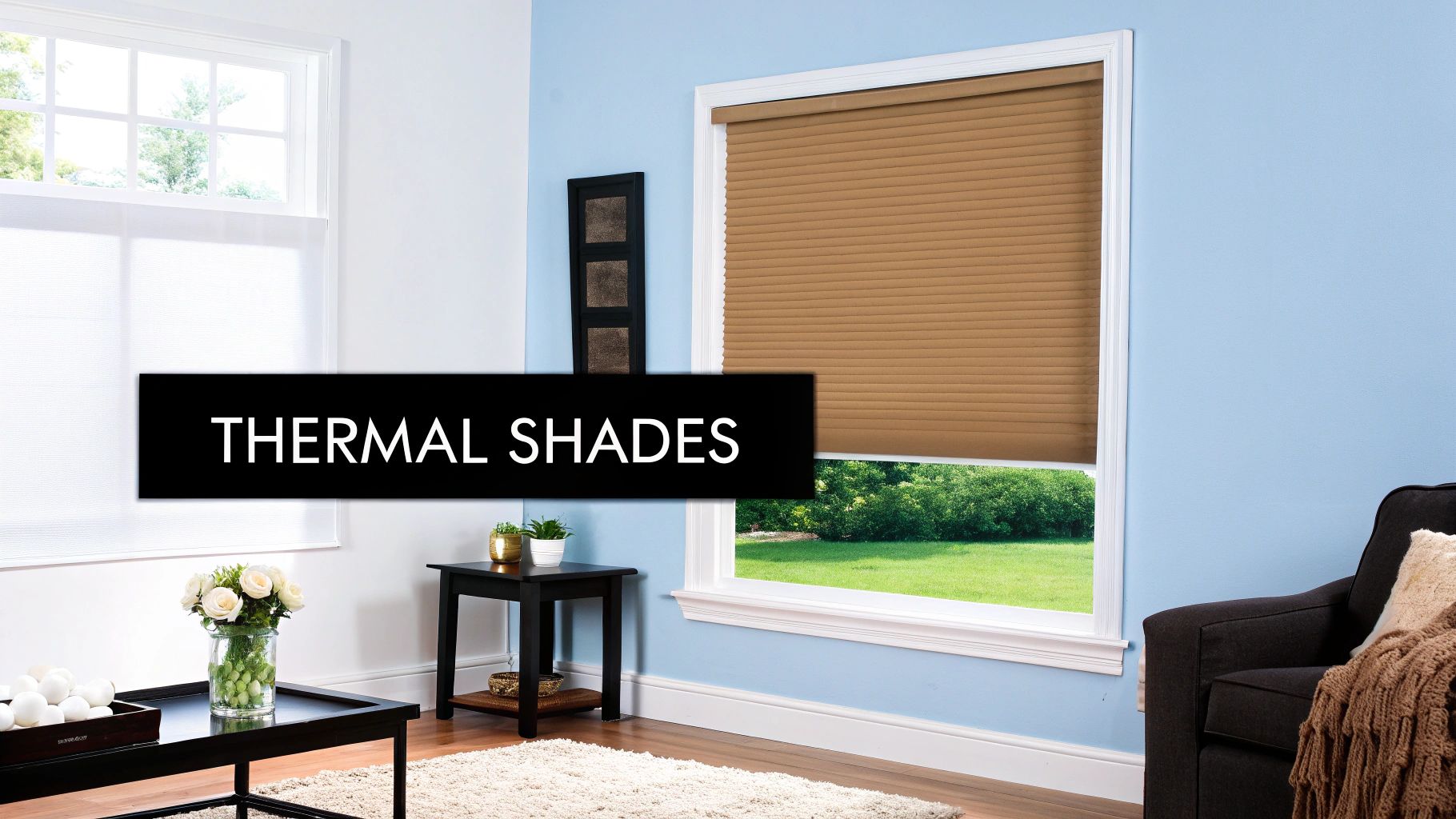
From high-tech cellular shades to insulating curtains and reflective films, these solutions offer a scalable way to improve energy efficiency. Cellular shades, for example, create pockets of trapped air that slow heat transfer, with many Salt Lake City homes seeing summer cooling costs drop by 5-10% from this simple addition alone. For a direct and impactful improvement on your home's energy performance, understanding what thermal curtains are and how they contribute to a cozier, more energy-efficient home can lead to significant savings, especially in Utah’s cold mountain climate.
Actionable Implementation Tips
Maximizing the effectiveness of window treatments involves more than just installation; it requires a seasonal strategy to work with the sun, not against it.
- Choose High-Performance Materials: Opt for cellular shades with a high R-value or thermal-backed draperies. Light-colored or reflective backings are best for reflecting unwanted solar heat in the summer.
- Practice Strategic Operation: In summer, close window coverings on east-facing windows in the morning and south/west-facing windows in the afternoon to block peak sun. In winter, do the opposite: open them to capture free passive solar heat.
- Combine Multiple Layers: For ultimate control, combine interior treatments like blinds with exterior solutions like awnings or overhangs. This layered approach blocks heat before it even reaches the glass.
- Seal the Edges: Ensure your blinds or curtains fit snugly within the window frame or use side channels to prevent air from circulating between the treatment and the glass, which would reduce its insulating effectiveness.
- Consider Automation: Motorized shades connected to a smart-home system can be programmed to open and close based on the time of day or sun exposure, ensuring consistent energy savings without manual effort.
9. Implement Smart Thermostats and Home Automation
Transitioning to a smart thermostat is one of the most accessible and effective home energy conservation tips for automating savings without sacrificing comfort. Unlike traditional programmable thermostats that follow a rigid schedule, smart systems like the Nest Learning Thermostat or Ecobee use sensors, algorithms, and Wi-Fi connectivity to learn your habits and optimize your HVAC usage automatically. This technology eliminates wasted energy by heating or cooling an empty house, a common issue with fixed schedules.
These devices can integrate with weather forecasts, sense when you leave or arrive via your smartphone's location (geofencing), and provide detailed energy reports that reveal your consumption patterns. For many Salt Lake City families, this level of intelligent control translates directly into savings, with many ENERGY STAR certified models reducing heating and cooling costs by an average of 10-15%. The convenience of adjusting your home's temperature from anywhere via an app adds a layer of modern functionality that enhances both comfort and efficiency.
Actionable Implementation Tips
To get the most out of a smart thermostat, you need to leverage its advanced features beyond just remote control. Proper setup is key to unlocking its full savings potential.
- Enable Learning & Geofencing: Immediately activate the learning and geofencing features. This allows the thermostat to build an efficient schedule based on your actual presence rather than a guessed schedule.
- Establish Seasonal Setpoints: Set reasonable baseline temperatures, such as 68°F in the winter and 78°F in the summer when you are home. The thermostat will use these as starting points for its optimization algorithms.
- Check for Utility Rebates: Many Utah utility companies offer significant rebates or incentives for installing qualifying smart thermostats, which can dramatically lower the upfront cost of the device.
- Integrate for Deeper Savings: If available, connect your thermostat with smart vents to control temperatures on a room-by-room basis or sync it with your utility's time-of-use rate plan to reduce HVAC operation during peak-cost periods.
- Review Monthly Energy Reports: Make it a habit to check the monthly energy summaries provided by the app. These reports highlight opportunities where you can adjust habits or settings for even greater savings.
10. Conduct Professional Energy Audits and Implement Recommendations
Guessing where your home is losing energy can lead to wasted money and ineffective upgrades. A professional energy audit is one of the most strategic home energy conservation tips because it replaces guesswork with data, providing a scientific roadmap for efficiency improvements. Auditors use advanced diagnostic tools like blower doors and infrared cameras to pinpoint the exact sources of energy loss, from hidden air leaks to inadequate insulation.
This comprehensive assessment evaluates your home's entire system, including its building envelope, HVAC equipment, and ductwork. The final report prioritizes upgrades based on their cost-effectiveness and potential impact, allowing Utah homeowners to invest wisely. For instance, an audit might reveal that a $500 air sealing project would deliver more savings than a $10,000 window replacement, preventing a costly mistake. Many local utility districts, like Rocky Mountain Power, offer rebates or even free audits through state-sponsored programs, making this a highly accessible first step. To effectively identify areas for improvement before a professional arrives, you can utilize a practical home energy audit checklist to get a head start.
Actionable Implementation Tips
An energy audit is only valuable if you act on its findings. Use the report to create a clear, phased plan for improving your home's performance.
- Choose a BPI Certified Auditor: Ensure your auditor is certified by the Building Performance Institute (BPI). This certification guarantees they have the training and expertise to conduct a thorough, accurate assessment using standardized procedures.
- Schedule for Peak Seasons: Book your audit during the coldest part of winter or the hottest part of summer. The significant temperature difference between indoors and outdoors makes thermal imaging far more effective at revealing insulation gaps and air leaks.
- Request Detailed, Prioritized Recommendations: The final report should not just be a list of problems. It must include a written, prioritized list of recommendations with estimated costs, potential energy savings, and calculated ROI for each action item.
- Use the Audit to Unlock Rebates: A professional energy audit is often a prerequisite for qualifying for federal, state, or utility-level rebates and tax credits for efficiency upgrades. Use the report as official documentation to secure these financial incentives.
- Plan Phased Improvements: Use the prioritized list to tackle upgrades over time. Start with the "low-hanging fruit" like air sealing and attic insulation, then move on to larger projects like HVAC or window replacement as your budget allows.
Comparison of 10 Home Energy Conservation Tips
| Measure | 🔄 Implementation complexity | ⚡ Resource requirements | 📊 Expected outcomes (⭐) | 💡 Ideal use cases | ⭐ Key advantages |
|---|---|---|---|---|---|
| Upgrade to Energy-Efficient Windows | Moderate–High (professional install, possible frame reinforcement) | High upfront ($300–$1,000+ per window), skilled installer | 15–30% energy savings; improved comfort; ROI ~7–10 yrs | Drafty or old windows, south/west exposures, resale-focused projects | Reduces heat loss/gain, UV protection, long-term durability, tax credits |
| Cool Roofing Materials | Moderate (roof replacement; possible structural check) | High ($7–$15/ft²); contractor and material costs | 10–20% summer cooling savings; extends roof life | Hot/sunny climates, roof replacement cycles, commercial roofs | Lowers cooling load, reduces heat-island effect, long roof lifespan |
| Seal Air Leaks & Weatherization | Low–Moderate (DIY possible; testing improves results) | Low–Moderate ($200–$500 DIY; $1k–$2k pro) | 10–20% energy savings; immediate comfort gains; payback 6–12 mo | Drafty homes, pre-upgrade step, budget-conscious retrofit | Low cost, fast payback, improves indoor air quality, prevents moisture |
| High‑Performance Insulated Siding | Moderate–High (specialized install; moisture control critical) | High ($8–$15/ft²); professional labor | 5–10% home energy improvement when combined with other measures | Exterior renovations, moisture-prone climates, curb‑appeal projects | Continuous exterior insulation, moisture management, improved aesthetics |
| Attic Insulation & Ventilation | Moderate (assessment, air sealing, ventilation balancing) | Moderate (material and labor; may remove old insulation) | 15–20% savings; high ROI (3–5 yrs); prevents ice damming | Under-insulated attics, climates with large seasonal swings | High ROI, reduces HVAC load, extends roof life, improves comfort |
| HVAC Upgrade & Maintenance | High (sizing, ductwork, professional install) | Very high ($5k–$10k+ for replacement) + ongoing maintenance | 10–20% system efficiency gains; smart controls add 10–15% | Old/inefficient systems, poor comfort or humidity control | Major comfort improvement, tax incentives, longer equipment life |
| Insulate & Seal Walls/Basements/Crawlspaces | High (may require opening walls; moisture management) | High (specialized materials/installation; possible permits) | 10–20% heating savings in suitable homes; improves moisture control | Basements/crawlspaces causing heat loss or moisture, finishing projects | Reduces cold-wall effects, prevents condensation/mold, increases usable space |
| Window Treatments & Solar Control | Low (DIY or simple install; motorization optional) | Low ($20–$100/window basic; motorized $200+ per window) | 5–10% additional savings; immediate comfort improvement | Renters, low‑cost upgrades, complement to window upgrades | Low cost, fast implementation, reduces glare and UV fading |
| Smart Thermostats & Home Automation | Low–Moderate (DIY for many; needs HVAC compatibility) | Low–Moderate ($200–$400 device; internet access) | 10–15% savings; payback 2–3 yrs; provides usage insights | Occupied homes with variable schedules, demand-response users | Automated savings, energy reports, remote control and convenience |
| Professional Energy Audit | Low for homeowner (performed by pros) | Low–Moderate ($200–$500; often subsidized) | Identifies highest‑ROI measures; prevents wasted investment | Planning major upgrades, qualifying for rebates, targeting fixes | Data-driven prioritization, uncovers hidden issues, rebate qualification |
Your Next Step Towards a More Efficient Home
Navigating the landscape of home energy conservation can feel overwhelming, but as we've explored, the path to a more efficient and comfortable home is built on a series of deliberate, actionable steps. From quick wins like adjusting your thermostat and sealing minor air leaks to transformative upgrades like installing triple-pane windows or a cool roof, each action contributes to a larger goal: reducing waste, lowering your utility bills, and enhancing your quality of life. The journey from identifying energy loss to implementing lasting solutions is a powerful investment in your property's value and your family's comfort.
The most impactful home energy conservation tips often involve fortifying your home's building envelope. Your windows, siding, and roof are the primary defenders against Utah’s demanding climate, from scorching summer sun to freezing winter nights. While behavioral changes and DIY projects are excellent starting points, they can only do so much if your home's exterior is fundamentally inefficient. A professional energy audit can pinpoint these critical weaknesses, providing a clear roadmap for upgrades that will deliver the most significant return on investment.
From Knowledge to Action: Your Energy-Saving Blueprint
The true power of this guide lies not in just reading it, but in applying its principles. Your home is a system, and optimizing it requires a strategic approach. Start by creating a personalized checklist based on the insights we've shared.
Immediate Actions (The Next 30 Days):
- Walk your home and identify drafts around windows, doors, and electrical outlets. Apply caulk or weatherstripping to seal these obvious leaks.
- Program your smart thermostat to align with your family's schedule, reducing heating and cooling when no one is home.
- Check your attic insulation depth. Is it below the recommended R-49 to R-60 for our Utah climate?
Mid-Term Goals (The Next 6 Months):
- Schedule a professional energy audit to get a comprehensive, data-driven report on your home's performance. This is the single most important step to prioritize major upgrades.
- Based on the audit, request quotes for the highest-impact projects, whether it's adding attic insulation, upgrading to high-performance siding, or replacing single-pane windows.
Long-Term Vision (The Next 1-5 Years):
- Develop a phased plan to upgrade your home’s entire thermal envelope. Perhaps you replace the south-facing windows this year and plan for an energy-efficient roof replacement in three years.
- Continuously monitor your energy bills to track the positive impact of your efforts and identify new opportunities for savings.
By taking these steps, you transition from being a passive energy consumer to an active manager of your home’s efficiency. You are not just patching problems; you are building a more resilient, cost-effective, and comfortable living environment. This proactive approach is the cornerstone of modern homeownership, turning your property into a high-performing asset that pays you back every month. The journey to mastering home energy conservation tips is a marathon, not a sprint, and every step forward makes a tangible difference.
Ready to turn these home energy conservation tips into reality with professional-grade solutions? The experts at Superior Home Improvement specialize in transforming Utah homes with high-performance windows, insulated siding, and energy-efficient roofing designed to deliver maximum savings and comfort. Contact us for a free consultation to see how we can help you build a more efficient and valuable home.